
Toy Hauler with Living Quarters: A Utah Buyer’s Guide

You’re probably in the same spot we hear about all the time from Utah shoppers. You want the ATVs for the dunes, the dirt bikes for the trails, maybe kayaks for Bear Lake, but you don’t want to spend the weekend sleeping on the ground or booking a cabin every time the weather turns.
That’s exactly why a toy hauler with living quarters makes sense. It lets you bring the gear and keep a real place to cook, sleep, shower, and reset after a long day outside. For a lot of Utah families, it’s the cleanest answer to the constant trade-off between adventure gear and comfort.
The catch is that not every toy hauler is a smart buy for every truck, every family, or every kind of trip. Garage size affects livability. Weight affects safety. Utah altitude, winter storage, and mountain towing all change what works in practice. If you buy the wrong floorplan, you’ll feel it on every trip. If you buy the right one, you’ve got a mobile basecamp for Moab, Bear Lake, the Wasatch, and beyond.
Introduction Your Ticket to Adventure in the Beehive State
A toy hauler with living quarters is what many Utah RV buyers end up wanting after they’ve outgrown tents, cargo trailers, and compromise. It solves a real problem. You can haul the machines that make the trip fun, then come back to a bed, kitchen, bathroom, and climate-controlled space instead of roughing it.
We think of it as the Swiss Army knife of RVs. One part cargo hauler. One part camper. One part weekend cabin. That combination is why this category has become so attractive for riders, hunters, anglers, and families who don’t want to leave half their gear at home.
The two basic styles
You’ll usually shop this segment in two forms:
- Fifth-wheel toy haulers if you want the bigger living area, more stable towing feel, and larger cargo capability.
- Travel trailer toy haulers if you want more flexibility with tow vehicle setup and a lower step into the category.
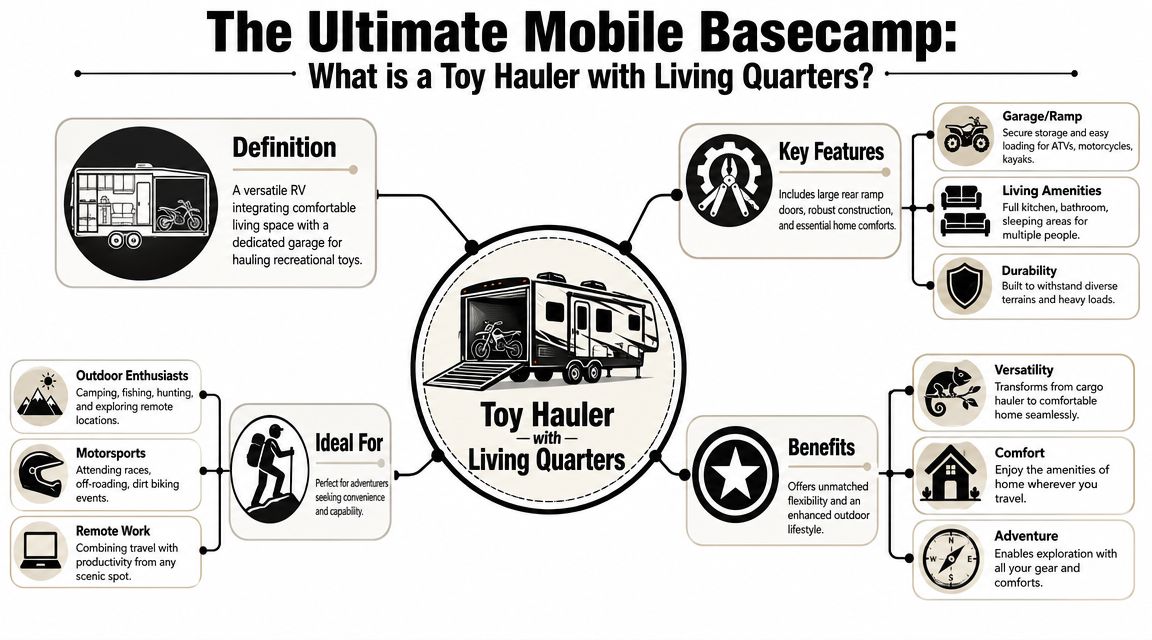
The most sought-after version is the fifth-wheel. According to Neighbor’s overview of toy hauler layouts, fifth-wheel toy haulers with living quarters are the market’s most popular segment, and their garages are often 8 to 13 feet deep, taking up one-third to half of the trailer’s length. That’s the heart of the design. You’re not just buying an RV. You’re buying a rig built around a serious cargo zone that still feels livable.
What the garage really does
The garage is the defining feature. It usually includes reinforced flooring, tie-down points, and a rear ramp. On many layouts, that same space converts into extra sleeping space, a dining area, a patio, or a hangout room after the toys come out.
That flexibility is the whole appeal. A family can use the same trailer for a desert riding trip one weekend and a lake trip the next. If you’ve looked at lighter alternatives, our take is simple. Start with your actual cargo needs first, then decide whether you need more specialized options or smaller concepts like pop-up toy haulers.
A toy hauler with living quarters works best when you treat it like a basecamp, not just a trailer with a bed in front.
The Critical Trade-Off Garage vs Living Space
This is the decision that makes or breaks ownership satisfaction. Buyers get excited about the rear garage, then realize too late that every extra foot of garage usually comes from somewhere else. Bigger toy capacity almost always means less kitchen, less lounge space, or a tighter bathroom.
If you haul a big side-by-side, the garage wins. If you mostly haul motorcycles or smaller machines, don’t overbuy garage length and punish yourself every evening with a cramped living area.
What changes when the garage gets bigger
A shorter garage usually gives you a more comfortable everyday living setup. You’ll often get better seating flow, a roomier kitchen, and a bathroom that doesn’t feel like an afterthought. A longer garage gives you more cargo flexibility, but it can make the front half of the trailer feel tighter than buyers expect.
Ramp patios add another wrinkle. They’re useful, especially in Utah when you want a raised outdoor sitting area at camp. But don’t let a patio distract you from the core floorplan. If the indoor layout is wrong, the patio won’t save it.
| Feature | Model with 10-Foot Garage | Model with 13-Foot Garage |
|---|---|---|
| Cargo flexibility | Better for motorcycles, smaller ATVs, general gear | Better for larger toys and more gear |
| Living room size | Usually more open and comfortable | Usually tighter because the garage takes more length |
| Kitchen layout | Often more counter space and storage | Often reduced to preserve cargo area |
| Bathroom feel | More likely to feel less cramped | More likely to be compact |
| Extra sleeping conversion | Still common in garage area | Common, with more garage floor to work with |
| Best fit | Families prioritizing comfort | Buyers prioritizing hauling capacity |
Open concept versus separated garage
You’ll also choose between open garage layouts and dedicated garage rooms.
An open concept uses the cargo space as part of the main interior once unloaded. That’s efficient, and many families love it because the trailer feels more versatile. A separated garage gives you more privacy and a cleaner division between muddy gear and the living area.
Here’s my advice:
- Choose open concept if your toys are smaller and you want the cabin to feel bigger after unloading.
- Choose a separated garage if you haul dirty equipment often or want kids, guests, or gear in a separate zone.
- Choose a patio setup if you camp in scenic spots enough to use it. If you won’t use it often, don’t pay for the idea of it.
A direct recommendation
Most first-time buyers lean too hard toward maximum garage size. That’s usually a mistake.
If your machine fit is close, measure everything twice and be ruthless about what you haul. Don’t buy around a once-a-year scenario and live with a compromised floorplan every other weekend. The best toy hauler with living quarters isn’t the one with the biggest garage. It’s the one that fits your real cargo while still being pleasant to live in.
Towing and Weight The Numbers Every Utah Driver Must Know
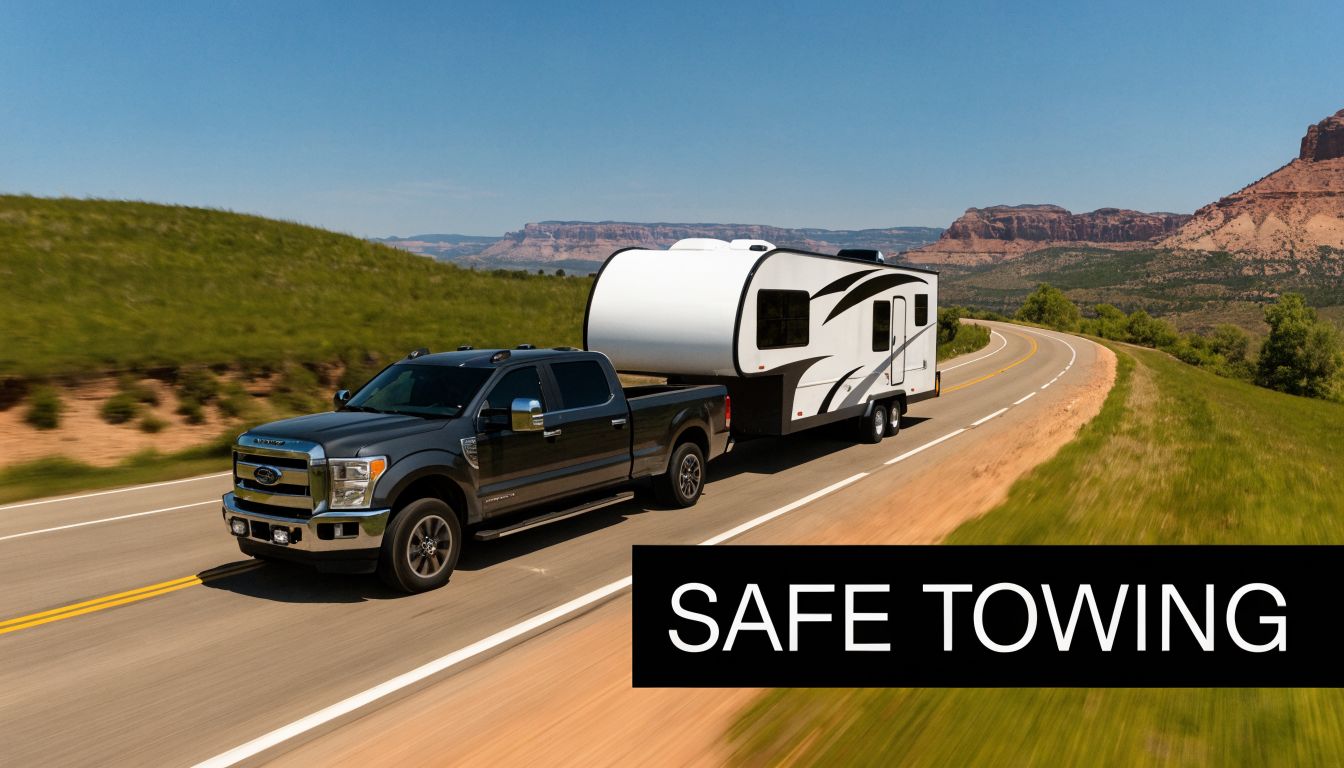
Utah is not forgiving to sloppy towing math. Steep grades, long descents, wind, heat, and mountain passes will expose every weak link in your setup. Dry weight is only the starting point. It does not represent how you travel.
The weight terms that matter
You need to understand a few basics before you shop seriously:
- Dry weight is the unloaded trailer before you add your toys, water, propane, food, tools, and personal gear.
- GVWR is the maximum allowable loaded trailer weight.
- Payload capacity is what the trailer can carry after accounting for its own empty weight.
- Pin weight matters on fifth-wheels because your truck has to carry that load safely in the bed.
The mistake we see most often is simple. Buyers focus on whether the truck can “pull” the trailer. That’s only part of the story. Payload, braking, suspension, and control matter just as much.
A real example of payload limits
Payload capacity isn’t a suggestion. It is a hard limit. The 8.5×24 Stealth Nomad listing shows a 3,235 lbs payload capacity, and that number matters because the living quarters already consume weight through tanks, appliances, electrical systems, and structure. Once you add water, propane, riding gear, food, tools, and machines, that margin gets smaller fast.
That’s why weight planning matters so much for Utah travel. If you’re heading over mountain grades, too much trailer load hurts braking, suspension stability, and overall control.
Practical rule: Match the truck to the trailer you’ll actually tow loaded, not the trailer you admire on the spec sheet empty.
Why fifth-wheels tow differently
Fifth-wheel toy haulers often feel more planted than travel trailers because of where the hitch weight sits. That can be a major advantage if you’re towing long distances or crossing uneven roads and windy stretches.
If you’re comparing hitch setups, read our breakdown of how a 5th wheel pin box affects towing feel and fit. It helps buyers understand why one truck-and-trailer combination feels composed while another feels like work.
What to do before you buy
Don’t guess. Bring your truck specs, your expected cargo list, and the kinds of trips you take.
Use this checklist:
- List your toys first. Include dimensions and realistic riding gear.
- Add travel cargo. Water, tools, food, batteries, propane, and camping gear all count.
- Check truck payload. Many fifth-wheel shoppers often get surprised by this.
- Think about route difficulty. A rig that feels fine on flat roads may feel very different in the Wasatch.
If the truck is marginal, pass on the trailer or upgrade the truck. That’s the blunt answer. A toy hauler with living quarters is a fantastic tool, but only when the whole setup is balanced.
Inside Your Mobile Basecamp Living and Sleeping Amenities
Cargo gets the attention. Comfort is what determines whether you’ll love using the trailer.
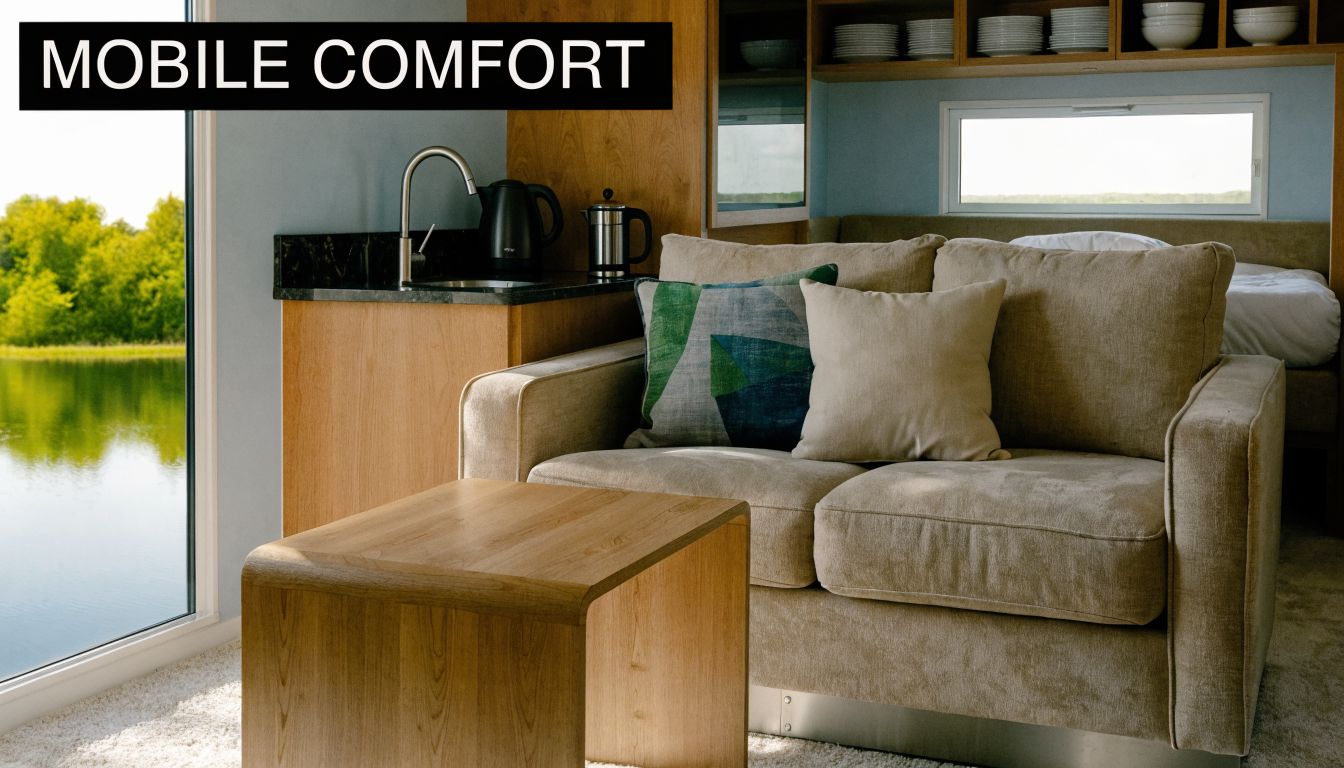
A good toy hauler with living quarters should feel intentional inside, not like someone squeezed a mattress and microwave into a cargo box. The better layouts use every inch. Lift beds, folding sofas, hidden storage, and compact kitchens all have to work together or the space becomes frustrating in a hurry.
What smart design looks like
The 2025 26-foot Nomad example shows how compact toy haulers can still function well. It has a 7'6" interior height and can sleep 6 people using queen bed lifts and dual sofas. That’s the kind of modular design that makes this category viable for families, especially when you still need room for adventure gear.
You’ll see the best results from features like:
- Lift beds that free up floor space and storage underneath.
- Convertible sofas that turn daytime seating into nighttime sleeping.
- Compact kitchens that still give you enough prep room to avoid eating every meal outside.
- Dry bath or larger bath options if privacy and comfort matter more to you than squeezing in more cargo.
A toy hauler interior should borrow the same logic as clever small apartment storage solutions. Vertical space, hidden compartments, multi-use furniture, and efficient traffic flow make a small footprint feel much bigger.
What matters for real Utah trips
The nice-looking interior at the dealership isn’t enough. Think about how it functions after a dusty ride or a cold morning.
Ask yourself:
- Can the kitchen handle a full weekend? Some layouts are fine for snacks but weak for real meals.
- Is there enough seating when everyone comes inside? Families feel this fast.
- Where do wet boots and riding jackets go? If there’s no plan, the trailer gets messy fast.
- Can guests sleep comfortably without tearing down half the cabin?
This walkthrough gives a useful visual reference for how these spaces come together in practice.
My opinion on must-have comfort features
Some options are worth prioritizing. Others are easy to romanticize and easy to skip.
If you boondock often, an onboard generator and built-in fuel station are convenience features you’ll use, not luxury features you’ll admire.
I’d prioritize sleeping flexibility, practical seating, and kitchen usability before decorative upgrades. Nice finishes are fine. A layout that works on day three of a trip matters more.
Specialized Maintenance for Utah's Four-Season Climate
Owning a toy hauler with living quarters in Utah is different from owning one in milder, flatter regions. You’re dealing with elevation, snow, freezing temps, road grime, desert dust, and the mess that comes from hauling machines covered in mud or slush.
The Utah problems generic articles skip
A major issue in this category is long-term wear from conditions owners don’t always think about early enough. The Utah Trailer Pros reference highlights concerns such as corrosion from snowmobile residue, reduced propane appliance efficiency above 8,000 feet, and unexpected repairs averaging $2,500/year in these high-altitude conditions.
That’s believable to anyone who’s lived with one of these rigs through real Utah seasons. Wet snow gear, salt, and dirty machines don’t stay politely in the garage. They track moisture and grime into a part of the trailer that also shares space with walls, flooring, seals, wiring, plumbing, and furniture.
What owners should do differently
The smartest owners build maintenance into the routine.
- Wash the garage after dirty trips. Don’t leave residue sitting on the floor or around tie-downs.
- Inspect seals often. Water intrusion usually starts small and gets expensive later.
- Winterize early, not late. One hard freeze can create a miserable repair list.
- Test propane appliances before high-country trips. Don’t assume they’ll behave the same at elevation.
If you store the trailer through winter, protect the systems and inspect it before spring use. If you run it in cold weather, pay close attention to tanks, plumbing, and door seals.
What to watch after powersports trips
Mud and snow are obvious. Fine dust is the sneakier problem. It gets into corners, tracks, hinges, vents, and hardware. Over time, that dirt mixes with moisture and starts wearing things down.
A toy hauler garage is not just a cargo room. In Utah, it becomes a maintenance environment every time you unload.
That’s also why region-specific service matters. General RV maintenance is one thing. Knowing what repeated high-country use, winter storage, and toy-related debris do to these trailers is another. If your garage floor, ramp door, seals, or appliance performance start changing, deal with it early.
Financing Your Adventure and Understanding Total Cost
The sticker price matters. It just isn’t the whole decision.
A toy hauler with living quarters can be a smart buy, but only if you look past the monthly payment and think about the full ownership picture. A lot of first-time shoppers stretch for the biggest rig they can finance, then discover they don’t like feeding it, insuring it, or towing it.
Bigger isn’t automatically smarter
The economics of towing are real. According to the referenced towing comparison video, heavy gooseneck toy haulers can average 6-8 MPG, and they can cost over $1,200 more in fuel per year for typical Mountain West trips compared with lighter trailers. That doesn’t mean a large gooseneck is wrong. It means you should buy one because you need it, not because it looks impressive on a lot.
That point gets even sharper in Utah. Long drives, elevation changes, and weekend loops that aren’t exactly short all add up fast.
Build your ownership budget the right way
Think in layers:
- Purchase price matters, but it’s only the first line.
- Fuel cost hits every time you travel.
- Insurance varies with the rig and your use case.
- Maintenance and storage are recurring realities, not surprises.
- Truck compatibility may turn into a second budget decision if your current tow vehicle is undersized.
If your budget is tight, don’t force a huge fifth-wheel when a lighter trailer does the job. If your priorities are comfort and cargo capacity, accept the operating cost with clear eyes.
Useful planning tools beyond the RV itself
Some owners also mix hauling methods depending on the trip. If you’re comparing whether to tow everything yourself or transport a machine separately for a particular event or move, this guide to shipping motorcycles nationwide can help you think through that side of the equation.
For the purchase side, financing should support your travel plans, not trap them. Compare terms, estimate real monthly ownership cost, and look at trade-in value before signing. If you want a starting point, our page on RV financing options explains the major financing paths buyers typically consider.
Don’t buy at the edge of your budget and assume fuel, maintenance, and setup costs will somehow sort themselves out.
How to Find Your Toy Hauler at Motor Sportsland
Shopping gets easier when you stop browsing randomly and start filtering for what matters. Search by the things that affect ownership. Weight, length, floorplan, sleeping setup, garage usability, and brand are more useful than a glossy hero photo.
Start with your essential requirements. If the trailer must fit a specific toy, that goes first. If your truck is already chosen, weight limits go first. If your family camps often and hauls occasionally, living layout may matter more than maximum cargo room.
A simple way to shop smarter
Use this order:
- Filter by towable type. Decide whether you’re really shopping travel trailers or fifth-wheels.
- Filter by weight and length. This cuts out the rigs that don’t fit your truck or storage space.
- Look hard at floorplans. Garage shape, bed setup, seating, and bath layout matter more than decor.
- Compare brands you trust. Forest River, Keystone, and Jayco are common names buyers recognize for good reason.
- Review used and new side by side. A pre-owned unit with the right floorplan can be the better buy.
If you're serious, walk the unit in person. Open the ramp. Stand in the kitchen. Sit at the dinette. Check bathroom elbow room. Imagine a cold morning, wet gear, and everybody inside at once. That tells you more than any brochure ever will.
The one dealership resource we'll mention directly is Motor Sportsland, because buyers can sort inventory online, compare floorplans, and then visit the Millcreek or Spanish Fork locations to inspect models in person. That kind of side-by-side walk-through is where most good decisions happen.
Conclusion Your Adventure Awaits
A toy hauler with living quarters is one of the most useful RV setups you can buy if you love Utah and use your gear. It gives you cargo space, shelter, flexibility, and a real basecamp in one package.
Buy carefully. Get the garage size right. Respect the weight ratings. Be honest about towing costs. Plan for Utah maintenance, not just summer weekends. If you handle those decisions well, this kind of rig opens up a lot of freedom.
The right trailer won’t just haul your toys. It’ll change how often you go, how comfortably you camp, and how many places feel practical for a weekend escape.
Frequently Asked Questions About Toy Haulers
Can I use the garage for other purposes besides hauling toys
Yes, and that’s one of the strongest reasons to own a toy hauler with living quarters. Once the machines are unloaded, the garage often becomes a second lounge, a guest sleeping space, a mobile workshop, a kids’ zone, or a gear room. Some layouts make this especially easy with fold-down seating and overhead beds.
What kind of special insurance do I need for a toy hauler
You'll need an RV policy that fits the trailer type, but don't stop there. Ask your insurance agent specific questions about the ramp door, patio use, stored gear, and the motorized toys themselves. In many cases, the machines you haul need their own coverage separate from the trailer.
How does an onboard generator or fuel station work
An onboard generator gives you power when you're away from hookups, which is a big deal for desert camping and remote trailheads. A fuel station is a built-in fueling setup for your toys, so you don't have to haul loose fuel cans or leave camp just to top off before another ride.
Are there restrictions on where I can camp with a toy hauler
Usually, if an RV park or campground allows a trailer of that size, a toy hauler is fine too. The bigger issue is fit and campground rules. Some private parks may have restrictions on generator hours, patio use, or ramp access. If you like space and flexibility, dispersed camping areas are often a natural fit for toy hauler owners.
Is a fifth-wheel or travel trailer toy hauler better for first-time buyers
It depends on your truck, your cargo, and how much living comfort you expect. Fifth-wheels usually make more sense for buyers who want bigger living space and more serious cargo ability. Travel trailers can be the more approachable choice if you want less trailer overall and more flexibility with your tow setup.
What's the most common buying mistake
Choosing based on appearance instead of use. Buyers either underestimate the weight or overestimate how much garage they really need. Measure your toys, know your truck, and pick the floorplan you'll enjoy living in after the unloading is done.
If you're ready to compare a toy hauler with living quarters in person, browse current options and planning resources at Motor Sportsland.
