
RV Dealers Salt Lake City: How to Find the Right One
You can tell a lot about an RV dealer by the shiny rigs out front. You can tell even more by what happens after the sale, when the first propane check, wiring issue, brake adjustment, or warranty repair comes due. That's where a lot of Salt Lake City buyers get burned, because the right floorplan on the lot doesn't help much if the dealer can't support you when Utah weather, mountain roads, and real-world wear start doing their thing.
That's why rv dealers Salt Lake City shoppers should think like long-term owners, not just first-time buyers. In a metro with multiple high-volume stores, there are real choices, but the differences that matter aren't always obvious from photos and price tags. The best decision comes down to inventory that matches your tow vehicle, a dealership that can service what it sells, and a team that knows how Utah families camp, travel, and store rigs through the seasons. If you're comparing options, a good starting point is to think about the stuff you'd pack for a trip, just like the practical mindset in this camping essentials for New Zealand checklist. And if you're getting serious about paperwork, review the details in this internal guide on the RV purchase agreement before you sign.
Why Choosing the Right RV Dealer Matters More Than You Think
A family comes in excited about a new travel trailer, picks the cleanest-looking unit on the lot, and leaves thinking they've solved their summer plans. Then the first season hits, the awning needs service, the brakes need attention, and suddenly the nearest appointment is nowhere near as convenient as the showroom promised. That's the trap. Buyers tend to shop the lot, but they live with the dealer.
Salt Lake City gives you more breathing room than a small-town market. A 2022 ranking built from Statistical Surveys registration data showed Motor Sportsland at 3rd among Salt Lake City-area RV dealers with 592 new RV registrations sold, behind Parris RV North at 1,089 and General RV Center, Draper at 1,239. The same ranking also showed strong depth across the top eight dealers, from 365 to 1,239 units, which tells you this isn't a one-store town. It's a competitive market with multiple high-volume players, and that matters because competition gives buyers more power.
The real question is post-sale support
The mistake most buyers make is assuming every dealer can handle the same kind of ownership experience. They can't. A dealer that moves a lot of units may have better parts access, more technician experience, and a more mature process for delivery, service, and warranty work. A dealer that looks convenient on a map may still leave you waiting when your trip is already on the calendar.
Practical rule: Buy from the dealer you'd want helping you in month 11, not just the one offering the best walk-through in hour one.
That's especially true in Utah, where mountain travel and seasonal use expose weak prep work fast. A good sale should feel smooth. A good dealer relationship should still feel useful after the excitement wears off. If you want to protect yourself, start with the kind of questions that separate a polished storefront from a real ownership partner, then compare that against the actual rigs on the lot.
Researching Local RV Dealers and Their Inventory
Start with what the market already shows. A dealer that keeps moving units usually has earned buyer trust, keeps inventory flowing, and has the staff to handle the pace. In Utah, that context matters because the dealer field is broad, with 215 businesses in the state's recreational vehicle dealers industry in 2026 and $1.4 billion in market size, according to IBISWorld. The same source says the industry grew at an average annual rate of 3.2% from 2021 to 2026, which helps explain why buyers see so many options on the Wasatch Front.
The next filter is inventory fit. Check whether a dealer stocks the RV you need, then narrow by weight, length, floorplan, and features such as bunk beds, toy hauler garages, or bunkhouse layouts. Motor Sportsland surfaces those filters publicly, which saves time and keeps you from spending a Saturday inside rigs that are wrong for your truck, wrong for your family, or wrong for the kind of camping you do. If you are shopping used, start with a guide for used car buyers, then apply the same discipline to the RV market.
How to research before you drive across town
- Check registration-based rankings. Those numbers show which dealers are moving units in the market, not just which ones have the loudest ads.
- Compare inventory by use case. Sort by tow weight, sleeping capacity, and campsite style before you worry about shiny interiors.
- Look at brand depth. A dealer with a broad mix of travel trailers, fifth wheels, toy haulers, and motorhomes can usually help more buyers, but only if the lineup is organized clearly.
- Read inventory pages like a buyer, not a browser. If you are shopping used, this internal guide on buying a used RV near me is worth your time because the same discipline that protects car buyers also protects RV shoppers.
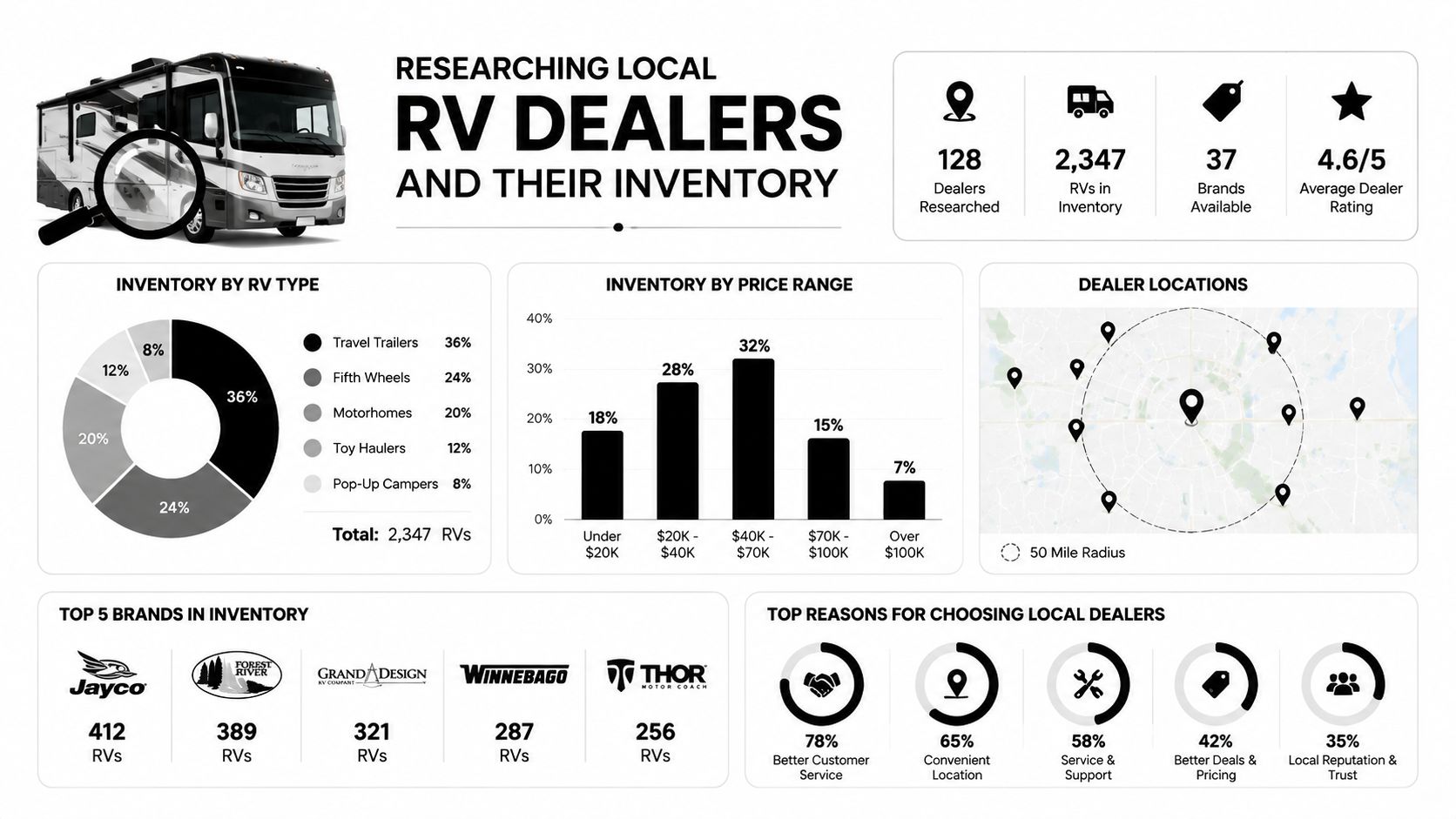
A dealer directory is a starting point, not a verdict. Salt Lake City's concentration of dealers lets you compare inventory locally instead of driving out of state, but that only helps if you shop with criteria that match how you will use the rig. If a dealer's site makes it easy to narrow by real-world specs, that is a good sign. If it only pushes generic “toy haulers” or “luxury fifth wheels,” keep looking.
What really matters is post-sale support
This is the part many buyers ignore, then regret later. A dealer can look strong on inventory and still fall apart after the sale if it lacks service capacity, parts access, or a clear process for warranty work and repairs. In Utah, that gap shows up fast when you need prep work, seasonal maintenance, or a quick fix before a mountain trip.
That is why you should ask how long service wait times usually run, how they handle warranty claims, and whether they have technicians who work on the type of RV you are buying. A polished showroom does not help when your trip is already booked and your coach needs attention. If you want to avoid the same mistakes that trap used-vehicle shoppers, use a guide for used car buyers mindset here too, because the same warning signs show up in RV sales and service.
The best inventory page is the one that helps you eliminate the wrong RV quickly.
Matching RV Types to Utah Terrain and Your Lifestyle
Utah changes the buying equation. The rig that feels perfect on a flat suburban loop can feel wrong once you head toward the Wasatch Mountains, climb to high-altitude campsites, or try to back into a cramped spot at a busy weekend campground. For rv dealers Salt Lake City shoppers, that means the right type of RV isn't the one with the biggest brochure features. It's the one that fits your truck, your routes, and your patience level.
Travel trailers, fifth wheels, toy haulers, and motorhomes
| RV Type | Tow Vehicle Needed | Best For | Utah Terrain Notes |
|---|---|---|---|
| Travel trailer | Mid-size to full-size tow vehicle, depending on size | First-time buyers, families, weekend campers | Easier to match to smaller trucks, but weight and length still matter on grades and windy days |
| Fifth wheel | Properly equipped pickup with fifth-wheel setup | Longer trips, families wanting more interior space | Stable for bigger layouts, but truck setup and campsite maneuvering take planning |
| Toy hauler | Tow vehicle sized for trailer weight and cargo | Dirt bikes, ATVs, e-bikes, gear-heavy owners | Great for powersports, but cargo load can change handling fast in mountain conditions |
| Motorhome | No tow vehicle for the RV itself | Retirees, long-haul travelers, drivers who want one vehicle | Comfortable on the road, but you still need to think about parking, fuel use, and maintenance access |
The biggest mistake is falling for the phrase “more RV for the money.” More RV can mean more weight, more length, and more stress on your tow vehicle. That's where a lot of first-time buyers get into trouble, especially if they're trying to pull a bigger trailer into the mountains without a realistic understanding of curb weight, cargo carrying capacity, and combined towing limits.
Match the rig to the way you camp
A bunkhouse travel trailer makes sense for a family chasing weekend trips to Jordanelle. A toy hauler makes more sense if the garage space will be used for dirt bikes or side-by-sides. A fifth wheel can be the right answer for long-haul comfort, but only if the truck is already up to the job. If you're new to motorized options, this internal guide on Class B camper vans is a good reminder that “small” can also mean smart, especially for buyers who care about maneuverability and easy parking.
The right conversation with a dealer starts with your tow vehicle, your camping destinations, and your storage reality at home. If the salesperson doesn't ask about those three things early, that's a red flag.
Understanding Pricing, Financing, and Trade-In Options
Sticker price is the shallow end of the pool. Real RV ownership cost includes financing, insurance, maintenance, storage, and the value of your trade. Utah's market supports choice, but it also rewards comparison, because a dealer in a state with 215 businesses in the RV dealer industry and a $1.4 billion market doesn't get to hide behind a single number on a windshield.
That's why you should compare more than the advertised sale price. Some dealers lean on rotating promotions or Deals of the Week, while others may build value through trade-in convenience or financing flexibility. The right move is to compare the full deal structure, not just the monthly payment or the headline discount. A lower payment can still mean a worse deal if the term is stretched, the trade is undervalued, or the service support is thin after delivery.
What to ask before you talk numbers
- Financing terms: Ask what changes if you pre-qualify before the visit.
- Trade-in process: Ask how they inspect your current RV and how they justify the number.
- Warranty coverage: Ask what's included and what still comes out of your pocket later.
- Seasonal timing: Ask whether the dealer is moving older inventory now or holding for spring demand.
- Ownership costs: Ask what they recommend you budget for maintenance, storage, and insurance.
If you're comparing across state lines, the logic still stays the same. A dealer like the East Syracuse trailer dealer may structure pricing and inventory differently, but the buyer's job is identical, compare total value, not just the number on the sign. That mindset protects you whether you buy local or spend weeks shopping around.
Best habit: Put the financing conversation and the trade-in conversation in the same visit, because the real deal lives in how those numbers interact.
For first-time buyers, a trusted local team earns its keep. For long-haul owners, a good dealer keeps you from overbuying a rig that's expensive to store, expensive to insure, and more than you need for the kind of trips you take.
Evaluating Service Capacity and Post-Sale Support
This is the part most dealers don't advertise well enough. After the sale, the question becomes whether somebody can keep your RV road-ready when you need help fast. Inventory matters, but service capacity is what determines whether your camping season stays on track or turns into a waiting game.
Local installer data gives a useful benchmark. Motor Sportsland is listed with 224 successful installations, while the top nearby installer is at 606 successful installations and several others fall in the 173 to 241 range. That doesn't mean lower-volume shops can't do good work. It does mean completed-install history is a better clue than a claimed service window, because it shows real familiarity with RV systems like hitches, wiring, brakes, and trailer electronics.
Ask these questions before you buy
- How many installations has the service team completed?
- What does your wait time look like for warranty work and routine maintenance?
- Do you stock common parts, or do you order them every time?
- Who handles plumbing, electrical work, and collision repair?
- How do you communicate appointment lead times when the season gets busy?
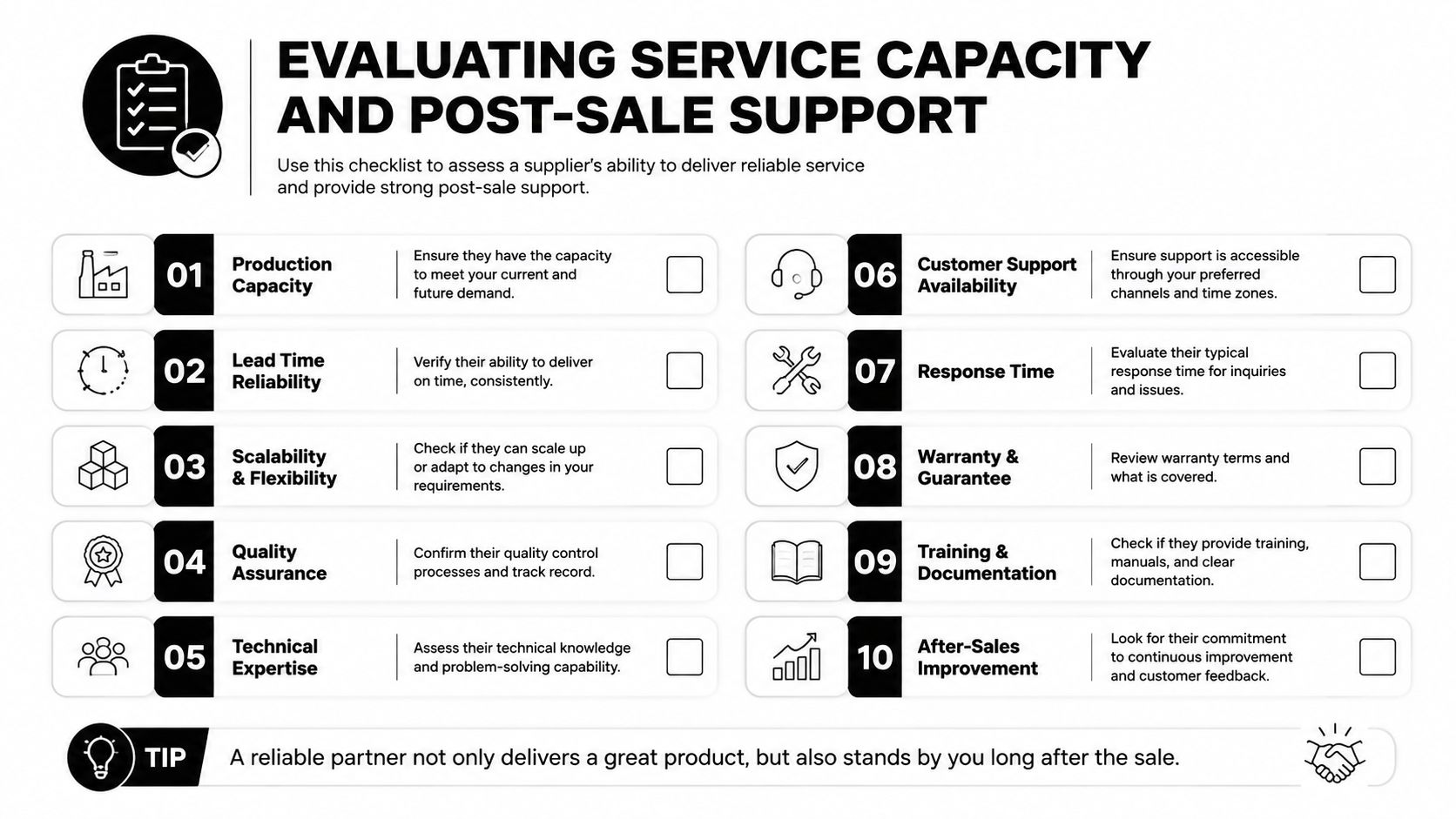
The gap in a lot of dealer content is service transparency. Sales pages usually brag about inventory and hours, but they don't answer the question owners have after the handoff, which is how long they'll wait for maintenance, warranty work, or parts installation. In a market with multiple big dealers clustered along the Wasatch Front, that omission matters. A polished showroom is easy to find. A responsive service department during peak camping season is much harder to replace.
Motor Sportsland's service center handles maintenance checks, repairs, installations, plumbing and electrical work, upgrades, RV parts, and collision repair, which is exactly the kind of operational breadth that matters once you own the rig. If you want one practical filter for any dealer in town, use this: ask what happens after delivery, not just what happens before the signature.
Test Drives, Inspections, and First-Time Buyer Tips
A walk-through is not enough. Sit in the seats, open the cabinets, test the bed space, and check whether the kitchen makes sense for actual meals, not just showroom posing. Then tow or drive it the way you'll really use it. A rig can feel fine on the lot and still be miserable at speed, in wind, or while backing into a campsite.
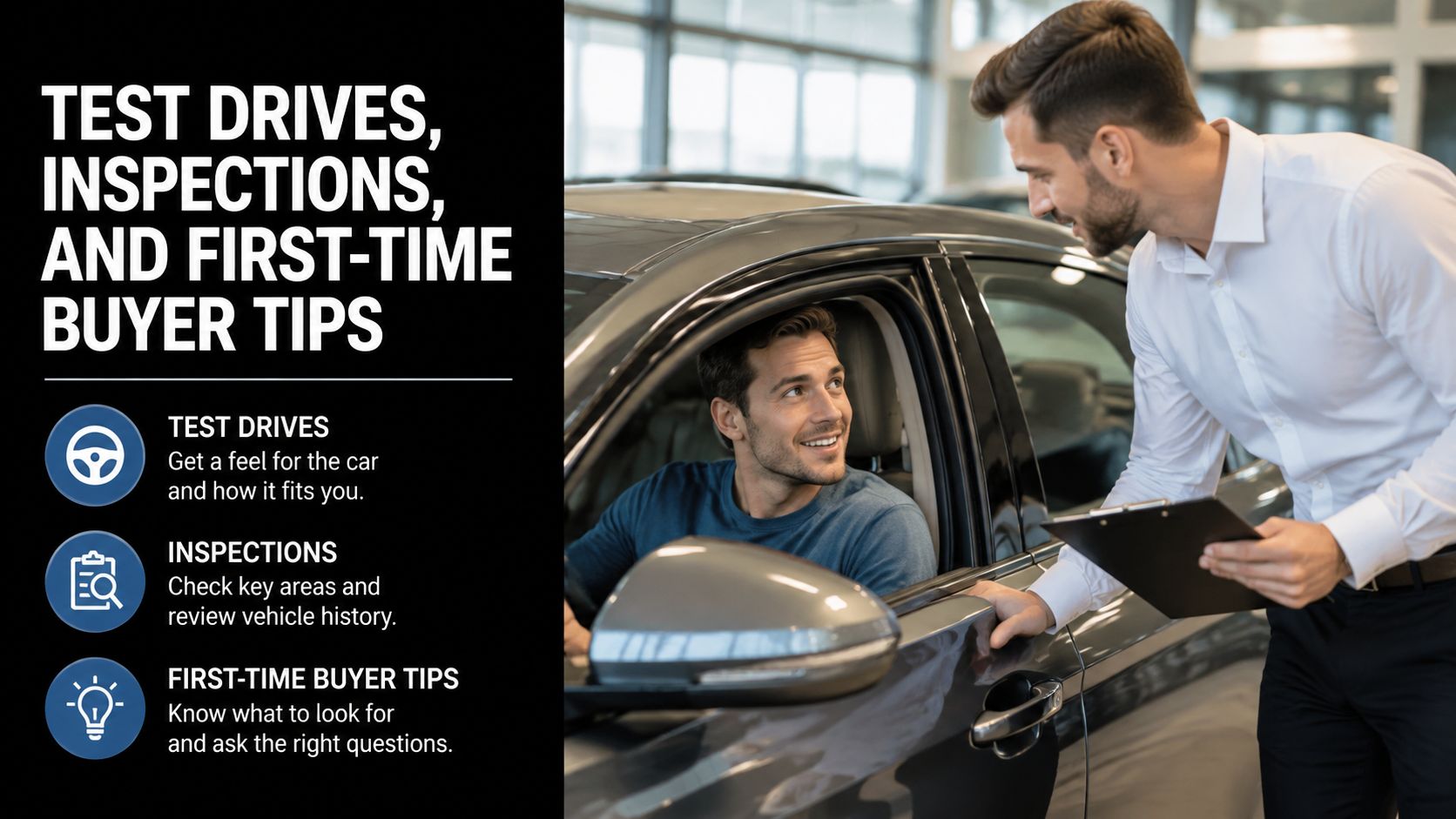
What to check in person
- Brake feel and sway control: The RV should track predictably and stop without drama.
- Visibility: Mirrors, camera views, and blind spots matter more than most first-timers expect.
- Storage access: Make sure the gear you bring fits without a wrestling match.
- Sleeping layout: Beds, bunks, and convertible spaces should work for your family, not just the brochure.
- Kitchen workflow: Open the fridge, move around the stove, and see if two people can pass each other.
Bring the people who'll use it. Kids notice bunk comfort immediately. A spouse notices counter space. If you're towing, confirm the rig and the truck are compatible before you let excitement override math. Ask the dealer how delivery works, how warranty coverage is handled, and what parts support looks like if a small issue turns into a real repair.
Don't buy an RV layout you only like in theory. Buy the one your family can live in on a rainy Friday night at a campground.
First-time buyers should also inspect for weak fit and finish, awkward storage, and any dealer hesitation around service questions. If the answers get vague when you ask about support, move on. A good dealership welcomes detailed questions because those questions prove you're serious.
Your Next Steps to Finding the Perfect RV in Salt Lake City
The smartest rv dealers Salt Lake City shoppers don't chase the flashiest ad or the biggest showroom. They compare inventory by how they camp, check towing fit before they fall in love with a floorplan, and ask hard questions about service before they sign. That's the path to fewer regrets and more weekends spent outside.
Motor Sportsland has served Utah families for over 55 years, with two convenient locations in Millcreek and Spanish Fork, plus a service center built for the long haul. If you want a dealer relationship that keeps working after the keys change hands, start by browsing inventory, then come in with your tow vehicle details and your camping plans ready.
If you want straight answers on inventory, towing fit, trade-ins, and service support, visit Motor Sportsland and talk with our team before you buy. We'll help you narrow the options fast, avoid the usual Utah ownership mistakes, and find a rig that fits the way you travel.
FAQ
What should I look for in RV dealers in Salt Lake City?
Look at inventory fit, service capacity, parts support, financing options, and whether the dealer can explain towing and ownership costs clearly.
Why does service capacity matter so much?
Because the ownership experience starts after the sale, and long wait times for maintenance or warranty work can wreck a camping season.
How do I know if an RV is right for Utah terrain?
Check the trailer weight, length, and tow vehicle match, then consider mountain driving, wind, and campsite access before you buy.
Should I buy based on price alone?
No. Compare the full deal, including financing, trade-in value, warranty coverage, and service support.
What's the biggest mistake first-time buyers make?
They choose a floorplan before confirming towing fit and service support.
Is it worth visiting dealers in person?
Yes. Photos don't tell you how a rig feels to move through, sleep in, or tow. In-person checks catch the problems that matter.
